Planetary Science
- Planetary Science
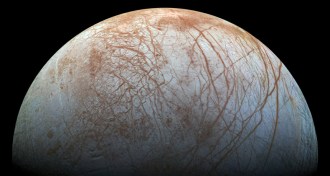
Another hint of Europa’s watery plumes found in 20-year-old Galileo data
A fresh look at old data suggests that NASA’s Galileo spacecraft may have seen a plume from Jupiter’s icy moon Europa in 1997.
- Astronomy
The recipes for solar system formation are getting a rewrite
A new understanding of exoplanets and their stars is rewriting the recipes for planet formation.
- Planetary Science
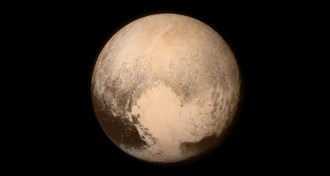
Getting NASA’s Pluto mission off the ground took blood, sweat and years
Alan Stern talks about the new book ‘Chasing New Horizons’ and what’s next for the spacecraft that got close to Pluto.
- Planetary Science
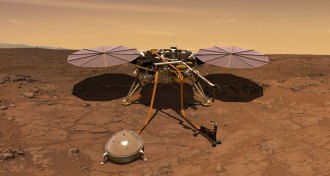
NASA gets ready to launch the first lander to investigate Mars’ insides
The InSight lander is launching to Mars on May 5 and is expected to be in position to sense seismic activity by early 2019.
- Planetary Science
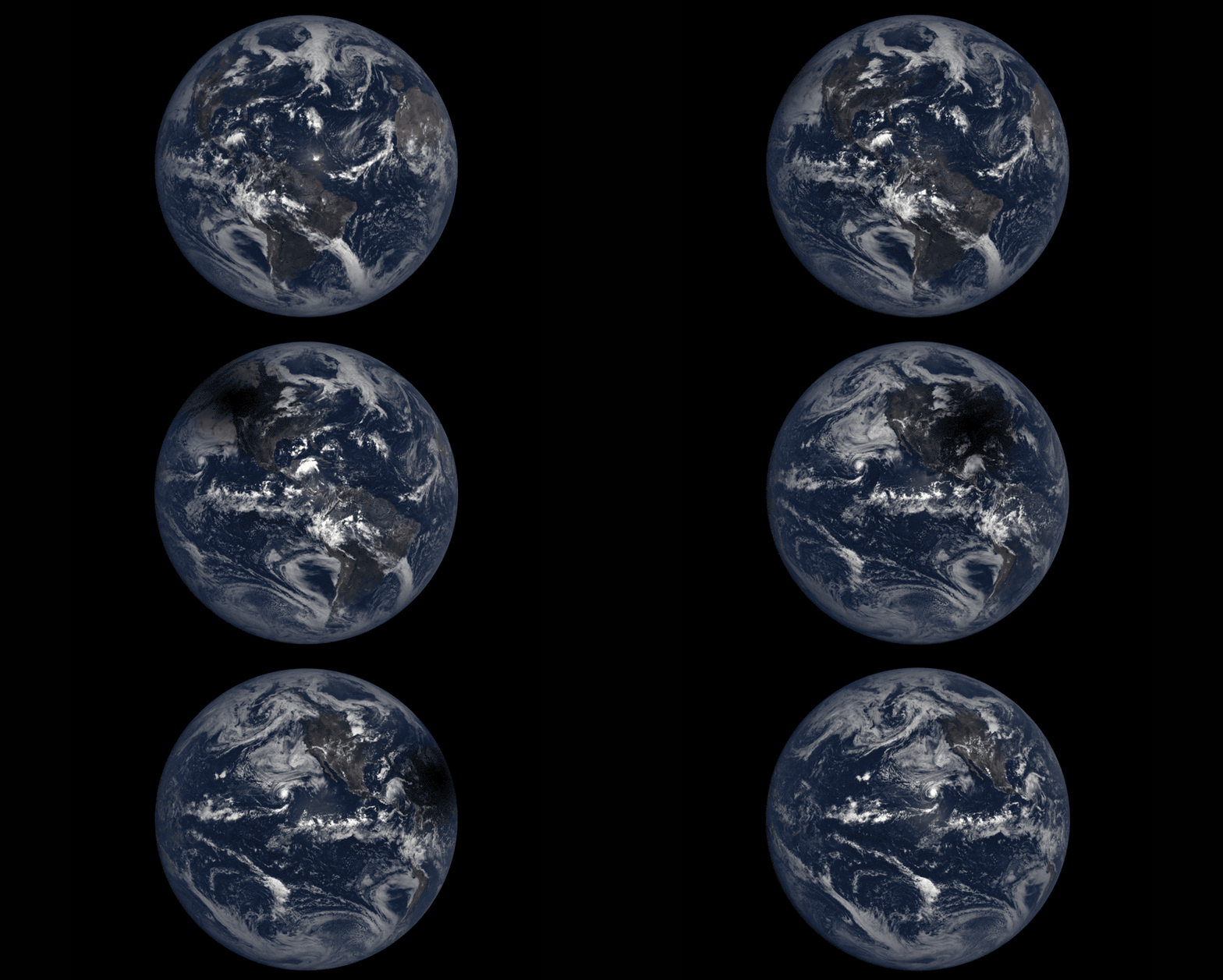
Last year’s solar eclipse set off a wave in the upper atmosphere
The August 2017 solar eclipse launched a wave in the upper atmosphere that was detected from Brazil after the eclipse ended.
- Planetary Science
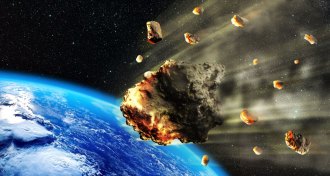
Asteroids could have delivered water to the early Earth
Shooting mineral pellets at a simulated planet suggests an impact wouldn’t have boiled all of an asteroid’s water away.
- Planetary Science
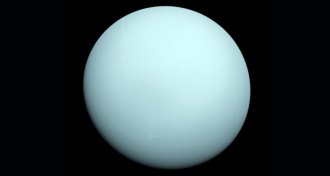
Uranus smells like rotten eggs
Planetary scientists detected hydrogen sulfide in Uranus’ upper clouds — the same compound that gives rotten eggs their terrible smell.
- Planetary Science
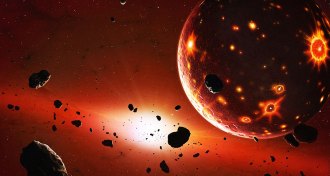
This meteorite’s diamonds hint that it was born in a lost planet
Bits of metal nestled inside diamonds suggest the space rock could have formed in a Mars-sized protoplanet in the early solar system.
- Space
Lasers squeezed iron to mimic the conditions of exoplanet cores
In the first experiment to measure what exoplanets might be like on the inside, scientists hit iron with 176 lasers at once.
- Paleontology
Readers debate dinosaur designation and more
Readers had questions about the dino family tree and Venus' habitability.
- Planetary Science
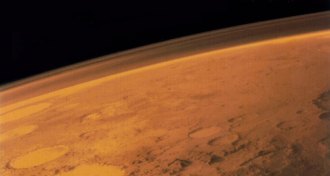
Water may have killed Mars’ magnetic field
Extra hydrogen near the Red Planet’s iron core could have shut down convection.
- Planetary Science
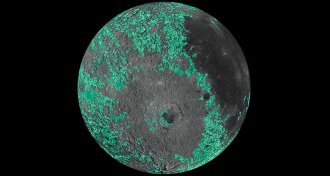
This spinning moon shows where debris from giant impacts fell
A new map shows that light-colored lunar plains point back to huge impact basins, raising questions about the age and history of the moon.