Paleontology
- Paleontology
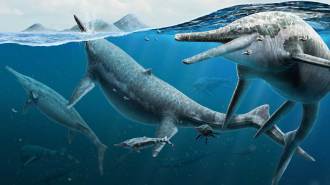
Mysterious ichthyosaur graveyard may have been a breeding ground
Some 230 million years ago, massive dolphinlike reptiles gathered to breed in safe waters — just like many modern whales do, a study finds.
- Paleontology
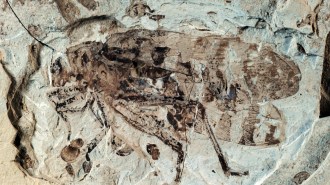
Katydids had the earliest known insect ears 160 million years ago
Fossils from the Jurassic Period show katydid ears looked identical to those of modern katydids and could pick up short-range calls.
- Paleontology
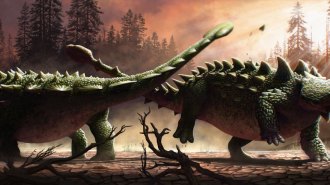
Armored dinos may have used their tail clubs to bludgeon each other
Broken and healed spikes on Zuul's flanks are consistent with the armored beast receiving a mighty blow from the tail club of another ankylosaur.
- Paleontology
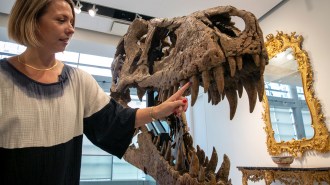
Why the sale of a T. rex fossil could be a big loss for science
At least half of the roughly 120 known T. rex fossils are owned privately and not available to the public. “Maximus” may join them.
- Paleontology
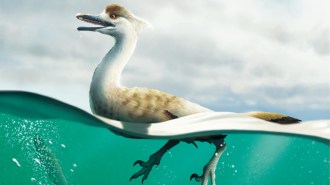
This dinosaur may have had a body like a duck’s
Natovenator polydontus may have been adapted for life in the water, challenging the popular idea that all dinos were landlubbers.
- Paleontology
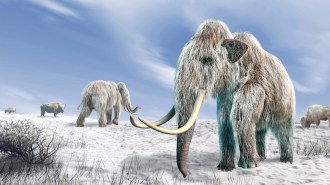
Mammoths may have gone extinct much earlier than DNA suggests
Ancient DNA in sediments may be leading paleontologists astray in attempts to figure out when woolly mammoths and woolly rhinos died out, a new study argues.
- Life
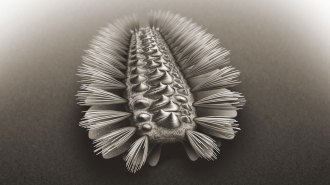
This ancient worm might be an important evolutionary missing link
A roughly 520-million-year-old fossil may be the common ancestor of a diverse collection of marine invertebrates.
- Paleontology
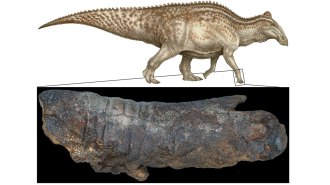
Dinosaur ‘mummies’ may not be rare flukes after all
Bite marks on a fossilized dinosaur upend the idea that exquisite skin preservation must result from a carcass's immediate smothering under sediment.
- Paleontology
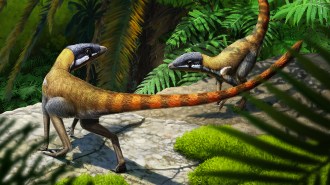
Pterosaurs may have evolved from tiny, fast-running reptiles
A mysterious little ground-dwelling reptile unearthed in a Scottish sandstone over 100 years ago turns out to be part of a famous flying family.
- Paleontology
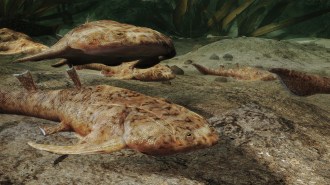
Ancient fish fossils highlight the strangeness of our vertebrate ancestors
New fossils are revealing the earliest jawed vertebrates — a group that encompasses 99 percent of all living vertebrates on Earth, including humans.
- Paleontology
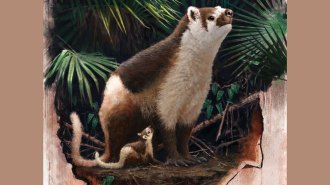
Living fast may have helped mammals like ‘ManBearPig’ dominate
Staying in the womb for a while but being born ready to rock may have helped post-dinosaur mammals take over the planet.
- Life
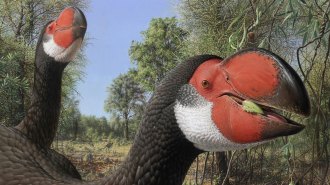
Ancient ‘demon ducks’ may have been undone by their slow growth
Mihirung birds grew to more than half a ton and took their time getting there. That slow growth may have been a vulnerability when humans got to Australia.