Oceans
- Climate
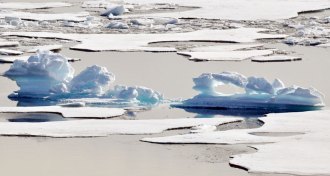
Human CO2 emissions put Arctic on track to be ice-free by 2050
Sea ice is shrinking by about three square meters for each metric ton of carbon dioxide emitted, new research suggests.
-
- Oceans
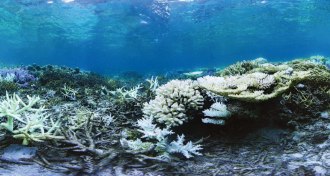
Reef rehab could help threatened corals make a comeback
Reefs are under threat from rising ocean temperatures. Directed spawning, microfragmenting and selective breeding may help.
- Life
Ocean archaea more vulnerable to deep-sea viruses than bacteria
Deep-sea viruses kill archaea disproportionately more often than bacteria, a killing spree with important impacts on the global carbon cycle.
- Oceans
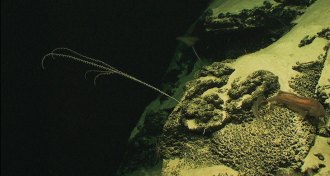
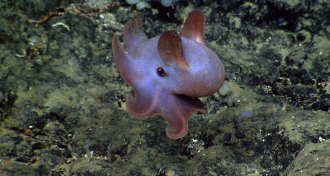
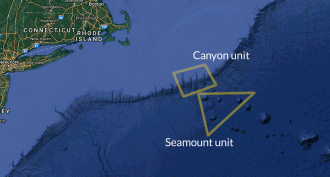
Atlantic monument is home to unique and varied creatures
A region of ocean off the coast of Cape Cod has become the first U.S. marine national monument in the Atlantic Ocean.
- Physics
A metallic odyssey, what’s causing sunspots and more reader feedback
Metallic hydrogen, sunspot formation, salty desalination leftovers and more in reader feedback.
- Animals
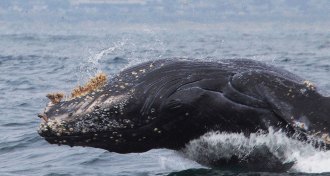
Barnacles track whale migration
The mix of oxygen isotopes in the shells of barnacles that latch on to baleen whales may divulge how whale migration routes have changed over millions of years.
- Climate
Methane didn’t warm ancient Earth, new simulations suggest
Scarce oxygen and abundant sulfate prevented methane from accumulating enough to keep Earth warm hundreds of millions of years ago, reviving the faint young sun paradox.
- Oceans
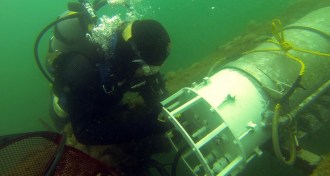
Melissa Omand’s clever tech follows the fate of ocean carbon
Drawn to the water early, oceanographer Melissa Omand now leads research cruises studying how carbon and nutrients move through the seas.
- Climate
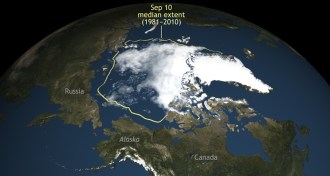
Arctic sea ice shrinks to second-lowest low on record
A warm summer helped shrink sea ice in the Arctic Ocean to a statistical tie with 2007 for the second smallest sea ice minimum on record.
- Oceans
First U.S. ocean monument named in the Atlantic
A region of ocean off the coast of Cape Cod has become the first U.S. marine national monument in the Atlantic Ocean, President Barack Obama announced.
- Oceans
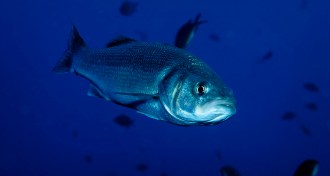
Fish escapes from marine farms raise concerns about wildlife
Farmed salmon, sea bass and other fish frequently escape from sea cages into the ocean. Will these runaways harm native wildlife?