Life
We summarize the week's scientific breakthroughs every Thursday.
- Animals
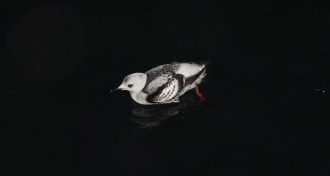
Life in the polar ocean is surprisingly active in the dark winter
The Arctic polar winter may leave marine ecosystems dark for weeks on end, but life doesn’t shut down, a new study finds.
- Animals
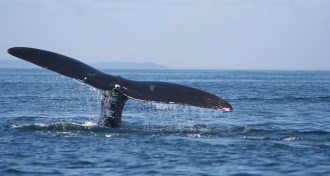
Don’t judge a whale’s gut microbiome by diet alone
Evolutionary history and diet may both determine the microbes that live in a baleen whale's stomach, researchers report.
- Neuroscience
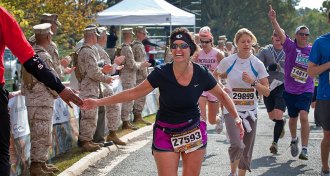
How a fat hormone might make us born to run
Many runners finish long races in a euphoric mood. The underpinnings of this runner’s high may involve many chemicals, including the fat hormone leptin.
- Animals
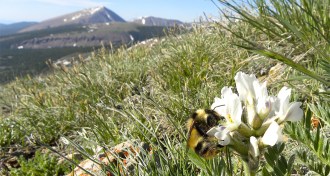
Alpine bee tongues shorten as climate warms
Pollinators’ match with certain alpine flowers erodes as climate change pushes fast evolution.
- Health & Medicine
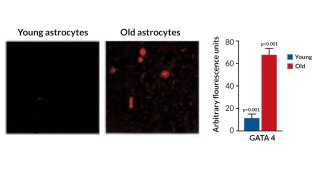
What makes cells stop dividing and growing
Scientists have found that the protein GATA4 helps control cellular senescence, and may be a target for treating aging-related diseases.
- Paleontology
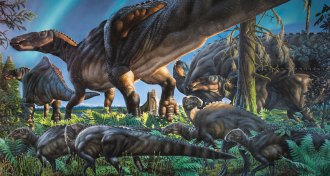
New dinosaur identified in Alaska
New species of duck-billed dinosaur discovered in the Alaskan permafrost.
- Life
For people, mealtime is all the time
People eat for most of their waking hours, which may affect sleep and weight.
- Neuroscience
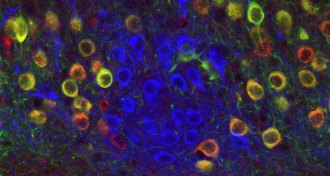
Separate cell types encode memory’s time, place
Cells called ocean cells help store a memory’s “where,” while other cells called island cells help store a memory’s “when.”
- Animals
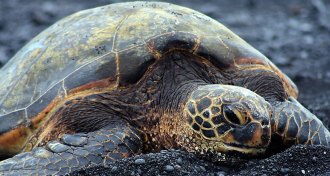
How to see sea turtles — without bothering them
Sea turtles come out of the water to lay eggs on beaches. It’s a great time to see the reptiles — if you know what you are doing.
- Animals
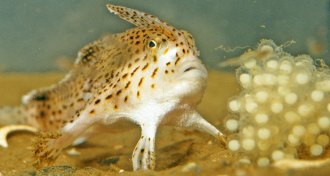
These fish would rather walk
Slowpokes of the sea, frogfish and handfish creep along the ocean bottom.
- Genetics
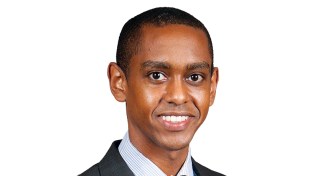
Benyam Kinde: Gene expression and Rett syndrome
M.D.-Ph.D. student Benyam Kinde studies how genetic changes affect brain cells’ activity in Rett syndrome.
- Health & Medicine
Isaac Kinde: Finding cancer via altered genes
Isaac Kinde helped create a technology that can spot cancers early to give patients a better chance at survival.