Life
We summarize the week's scientific breakthroughs every Thursday.
- Genetics
Thank (or blame) your genes for ability to handle java jolt
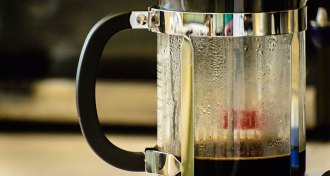
A gene involved in caffeine processing may control coffee consumption.
- Animals
Warm-up benefit could explain morning birdsong
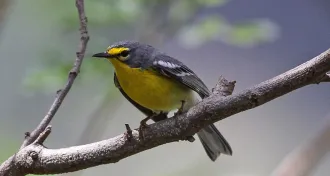
Even birds sing better after vocal warm-up, and an evolutionary arms race among rivals might have led to the intensity of the dawn chorus.
- Microbes
Bacteria display qualities that a mother would love
Editor in chief Eva Emerson discusses big lessons we can learn from some of Earth's smallest organisms.
- Health & Medicine
Weapon of bone destruction identified
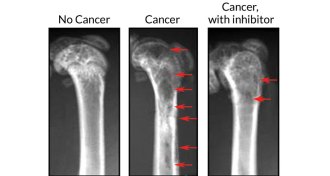
Scientists discover myeloma’s secret bone-destroying messenger.
- Life
CRISPR inspires new tricks to edit genes
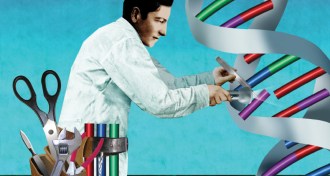
CRISPR/Cas9 has been a rockstar gene-editing tool for just four years and it’s already being tweaked to do more things better.
- Neuroscience
What Donkey Kong can tell us about how to study the brain
Neuroscience tools failed to reveal much about a simple microprocessor. What can they really tell us about the brain?
- Health & Medicine
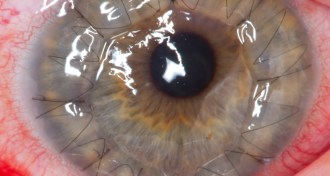
Cornea donation may have sex bias
Women receiving a corneal transplant do better when their donors are female, new research finds.
- Plants
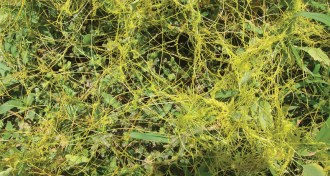
How a tomato plant foils a dreaded vampire vine
Tomatoes can foil a dodder plant attack by getting scared and scabbing over.
- Animals
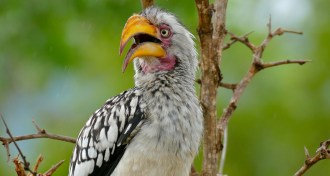
Ways to beat heat have hidden costs for birds
Birds that look as if they’re coping with heat waves and climate change may actually be on a downward slide, with underappreciated disadvantages of panting and seeking shade.
- Animals
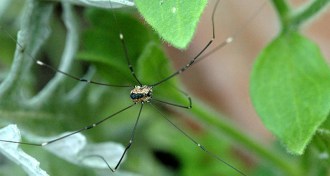
The weird mating habits of daddy longlegs
Scientists studying the sex lives of daddy longlegs are finding there’s a lot of diversity among this group of arachnids.
- Oceans
Lack of nutrients stalled rebound of marine life post-Permian extinction
Warm sea surface temperatures slowed the nitrogen cycle in Earth’s oceans and delayed the recovery of life following the Permian extinction, researchers propose.
- Genetics
Darwin’s Dogs wants your dog’s DNA
The Darwin’s Dogs citizen science project is collecting canine DNA to better understand dog genetics and behavior.