Life
We summarize the week's scientific breakthroughs every Thursday.
- Life
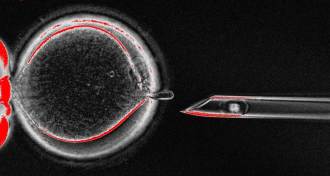
Mitochondria variants battle for cell supremacy
Some mitochondria are more competitive than others, which could complicate treatments for mitochondrial diseases.
- Animals
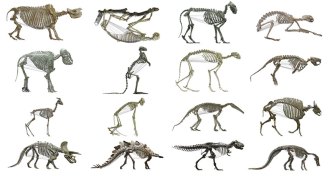
Plant-eating mammals sport bigger bellies than meat eaters
Mammalian plant eaters have bigger torsos than meat eaters, a new analysis confirms, but the same might not have held true for dinosaurs.
- Animals
Animals give clues to the origins of human number crunching
Guppies, dogs, chickens, crows, spiders — lots of animals have number sense without knowing numbers.
- Oceans
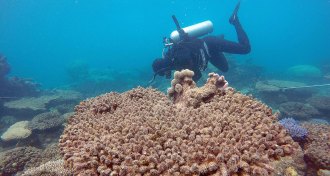
Coral die-off in Great Barrier Reef reaches record levels
Bleaching has killed more than two-thirds of corals in some parts of the Great Barrier Reef, scientists have confirmed.
- Life
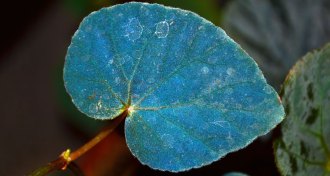
Blue leaves help begonias harvest energy in low light
The iridescent color of some begonias comes from tiny structures that also help the plant convert dim light into energy.
- Microbes
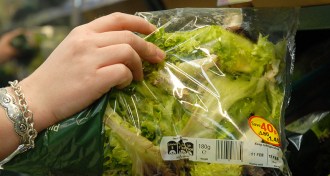
Cut leaves in bagged salads help Salmonella grow
Juice from torn-up leafy greens helps Salmonella spread in bagged salads.
- Life
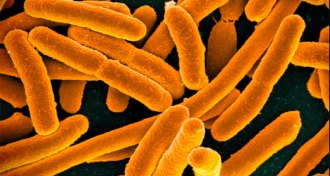
Tiny toxic proteins help gut bacteria defeat rivals
A strain of E. coli makes competition-killing tiny proteins and soothes inflamed intestines.
- Health & Medicine
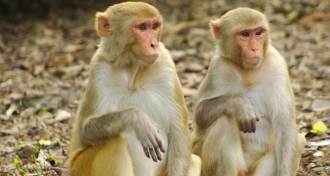
Low social status leads to off-kilter immune system
Low social status tips immune system toward inflammation seen in chronic diseases, a monkey study shows.
- Animals
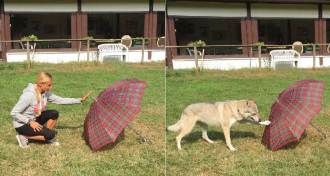
Dogs form memories of experiences
New experiments suggest that dogs have some version of episodic memory, allowing them to recall specific experiences.
- Animals
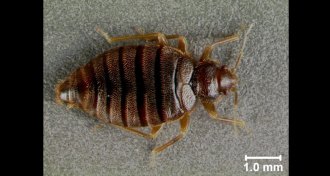
Now there are two bedbug species in the United States
The tropical bedbug hadn’t been seen in Florida for decades. Now scientists have confirmed it has either resurfaced or returned.
- Plants
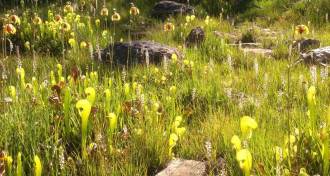
Bacteria help carnivorous plants drown their prey
Pitcher plant drowning traps are more difficult for an insect to escape when bacteria colonize them.
- Paleontology
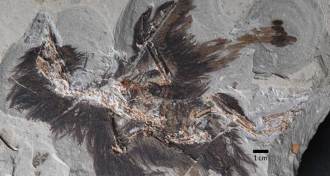
Cretaceous bird find holds new color clue
New molecular clues in 130-million-year-old bird fossil could help paleontologists firm up case for ancient color in dinosaurs.