Life
We summarize the week's scientific breakthroughs every Thursday.
- Life
The Great Barrier Reef is suffering its most widespread bleaching ever recorded
Major bleaching events are recurring with increasing frequency on the Great Barrier Reef, hindering its recovery.
- Genetics
The PBS documentary ‘The Gene’ showcases genetics’ promise and pitfalls
A film from executive producer Ken Burns delivers an unfiltered history of genetics, showing how the science has helped and hurt people.
- Life
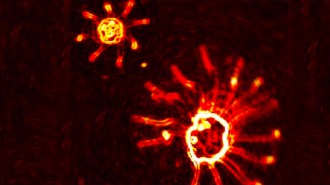
Algae use flagella to trot, gallop and move with gaits all their own
Single-celled microalgae, with no brains, can coordinate their “limbs” into a trot or fancier gait.
- Chemistry
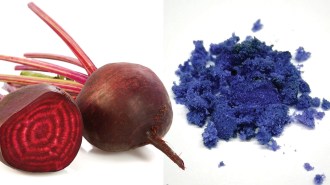
Beets bleed red but a chemistry tweak can create a blue hue
A new blue dye derived from beet juice might prove an alternative to synthetic blue dyes in foods, cosmetics or fabrics.
- Neuroscience
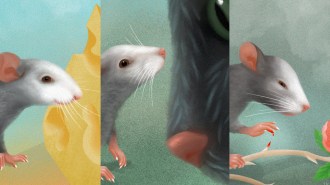
Mice’s facial expressions can reveal a wide range of emotions
Pleasure, pain, fear and other feelings can be reflected in mice’s faces, sophisticated computational analyses show.
- Animals
A cat appears to have caught the coronavirus, but it’s complicated
While a cat in Belgium seems to be the first feline infected with SARS-CoV-2, it’s still unclear how susceptible pets are to the disease.
- Animals
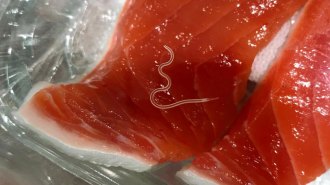
Parasitic worm populations are skyrocketing in some fish species used in sushi
Fishes worldwide harbor 283 times the number of Anisakis worms as fishes in the 1970s. Whether that’s a sign of environmental decline or recovery is unclear.
- Health & Medicine
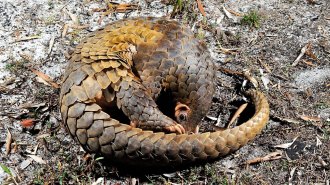
There’s no evidence the coronavirus jumped from pangolins to people
Pangolins captured in anti-smuggling activities in southern China were found to harbor viruses related to the new coronavirus.
- Paleontology
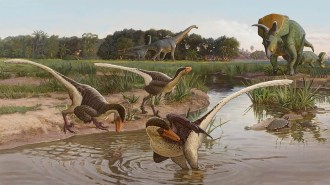
Fossils of a new dromaeosaur date to the end of the Age of Dinosaurs
Fossils from a new dromaeosaur recovered from New Mexico suggest these fierce predators were diversifying up to the end of the Age of Dinosaurs.
- Genetics
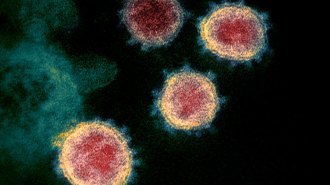
No, the coronavirus wasn’t made in a lab. A genetic analysis shows it’s from nature
Scientists took conspiracy theories seriously and analyzed the coronavirus to reveal its natural origins.
- Genetics
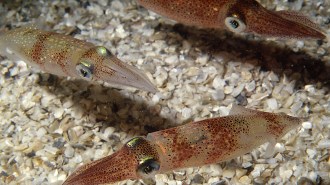
Squid edit their genetic material in a uniquely weird place
Some squids’ seeming ability to edit RNA on the fly could help scientists develop a technique much like the DNA-editing tool CRISPR, but for RNA.
- Life
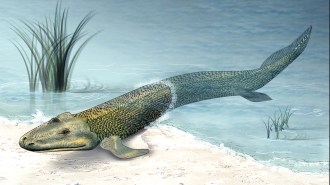
A new book captures how genetics fills in the story of life’s evolution
In Some Assembly Required, paleontologist Neil Shubin explores how genetic analyses complement paleontological research.