Humans
We summarize the week's scientific breakthroughs every Thursday.
- Health & Medicine
Elderly benefit from high-dose flu shot
High-dose vaccine may offer people age 65 and older improved protection against the flu.
- Neuroscience
Prosthesis uses swinging arms to tell legs when to step
Device creates artificial neural connection that could help paralyzed people walk.
- Life
Animal source of Ebola outbreak eludes scientists
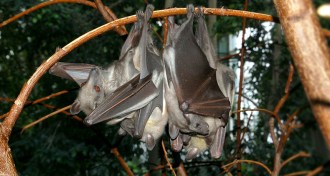
Researchers are trying to determine whether bats or bush meat transmitted the Ebola virus to people in West Africa.
- Life
Grizzly bears master healthy obesity
Tuned insulin signals explain how grizzly bears can fatten up for hibernation in the winter without developing diabetes.
- Health & Medicine
Survey catalogs what is stressing out Americans
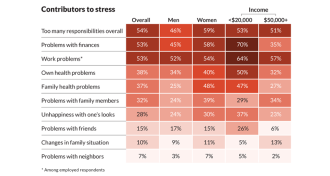
Along with work and other responsibilities, health problems are prominent causes of stress.
- Neuroscience
Music soothes the aging brain in film ‘Alive Inside’
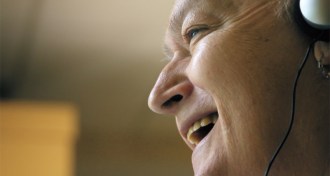
A social worker highlighted in a new documentary goes on a quest to bring tunes to nursing homes.
- Health & Medicine
Rat moms’ behavior reflected in their babies’ brains
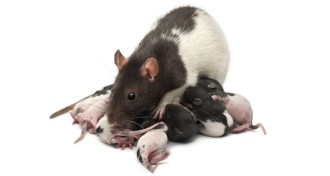
Grooming, nursing and other maternal behaviors cause brain signal changes in offspring, a study in rats finds.
-
- Psychology
Bilingual homes may give babies a learning lift
Hearing two languages during the first six months of life linked to an early mental advantage.
- Health & Medicine
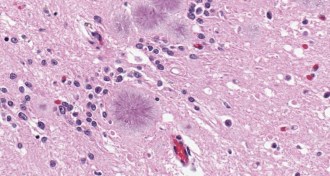
New tests screen for lethal prion disease
Urine and nasal swabs can detect small amounts of the abnormal prions that cause Creutzfeldt-Jakob disease.
- Life
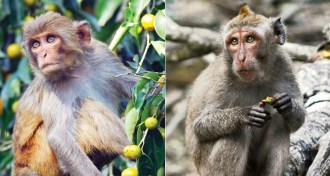
Airborne transmission of Ebola unlikely, monkey study shows
No evidence found of macaque monkeys passing deadly virus to each other.
- Health & Medicine
Two American Ebola patients given experimental therapy
The two American missionaries who contracted Ebola in Liberia have been treated with an experimental therapy that consists of antibodies to fragments of the deadly virus.