Humans
We summarize the week's scientific breakthroughs every Thursday.
- Life
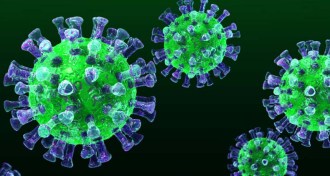
MERS virus didn’t morph in its move to South Korea
No obvious changes in the MERS virus account for its rapid spread in South Korea.
- Life
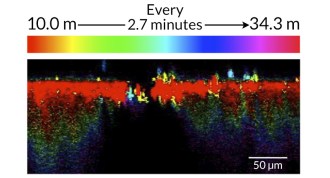
Tracing molecules’ movement in nails may help fight fungus
Tracking chemicals through the human nail may provide valuable insight for drug development.
- Health & Medicine
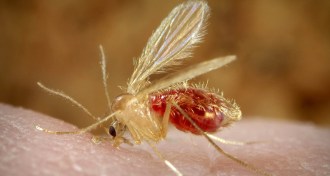
Fly spit protein holds back parasite infection in monkeys
A protein called PdS15 found in the saliva of the sand fly that spreads leishmaniasis may be used in a vaccine to combat the parasitic scourge causing the illness.
- Health & Medicine
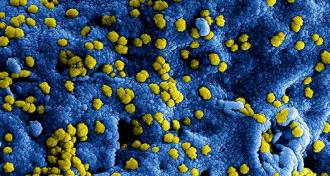
Deadly MERS spreads in small cluster in South Korea
Thirty people have MERS virus in the South Korean outbreak, including China’s first case.
- Health & Medicine
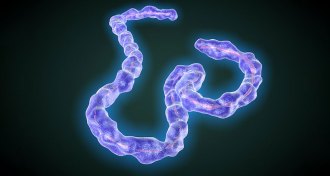
An antidepressant may protect against Ebola
Zoloft and a heart drug keep most mice alive after exposure to Ebola.
-
- Health & Medicine
Why breast-feeding really can be easier the second time around
The body remembers how to make milk, a mouse study suggests. Something similar may happen in humans.
- Anthropology
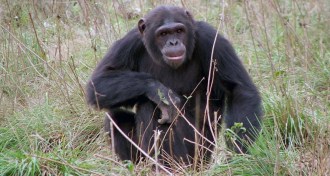
Chimps prefer roasted potatoes, hinting at origins of cooking
Chimps really dig roasted potatoes, suggesting cooking arose millions of years ago.
- Health & Medicine
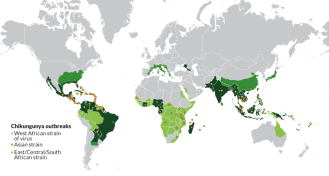
Chikungunya is on the move
The chikungunya virus, which wreaks havoc on joints, has spread via mosquitoes in tropical regions. Now it has found a way to hijack a second mosquito, posing a threat to people in Europe, North America and China.
- Humans
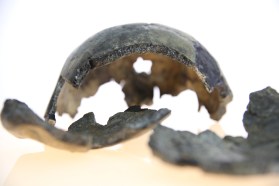
How Homo sapiens became world’s dominant species
'First Peoples' dispels old ideas about human evolution and tells an updated tale of how Homo sapiens came to dominate the world.
- Science & Society
Attempt to shame journalists with chocolate study is shameful
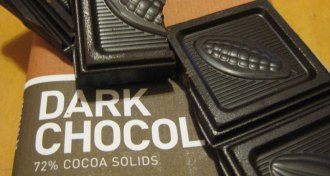
Journalist John Bohannon set out to expose poor media coverage of nutrition studies. In the process, he lied to his own profession and the public.
-