Health & Medicine
Feeling nervous? Work the system
Scientists are exploring new ways to regain control of overactive nervous systems including humming, tapping on the skin and cold-water immersion.
Scientists are exploring new ways to regain control of overactive nervous systems including humming, tapping on the skin and cold-water immersion.
Historic data and predictions suggest cases will rise in East Africa and southern regions, while the threat may ease in West and Central Africa.
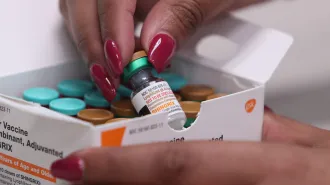
Shingrix, the same vaccine that protects people from the blistering shingles rash, might also lower risk of heart disease.
The biggest fibromyalgia genetics study yet zeroed in on 26 genetic risk factors for the pain disorder, including one in the Huntington's disease gene.
Many people struggle to sleep enough at night. Surprisingly, science cannot say if adding in a nap to sleep in two blocks is healthy.
Three species preferred different people based on their skin odor and bacteria. The findings could help make new microbe-based repellants.
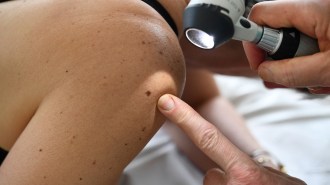
A personalized mRNA vaccine paired with Keytruda may help keep skin cancer from returning after surgery, a large clinical trial suggests.
Children exposed to World War II sugar rationing had lower dementia and Alzheimer’s risk decades later, data suggest.
A week-long brain mapping session can lead to lasting relief, a case series of three pain patients shows.
A sound wave–based therapy commonly used to dislodge kidney stones is gaining traction as a treatment for erectile dysfunction.