Microbes
How warming is shifting microbial worlds
Climate change is affecting microbes, and that has implications for all life on Earth.
Climate change is affecting microbes, and that has implications for all life on Earth.
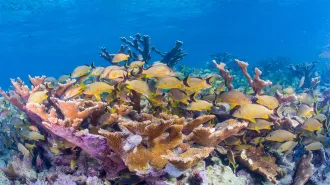
Shorter food chains could mean reefs are less able to weather changes in food availability, threatening an already vulnerable ecosystem.
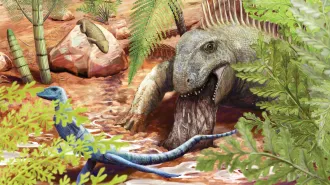
The regurgitated material from before the time of dinosaurs provides a rare window into the feeding habits of a prehistoric hunter.
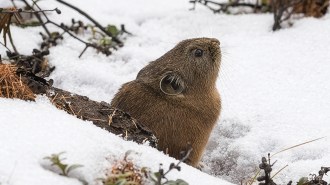
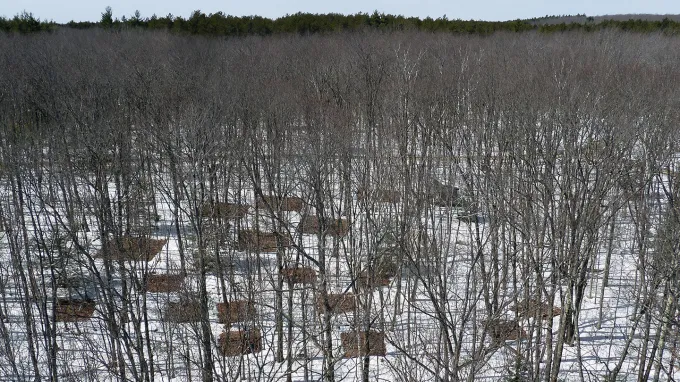
An array of animals and plants survive winter in the subnivium, nature’s igloo. But climate change is threatening this hidden seasonal ecosystem.
Results show that players’ choices echo predator-prey patterns seen in wildlife, though scientists stress the limits of the analogy.
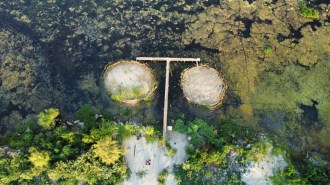
Scientists found thousands of patterned fish nests in Antarctica’s Weddell Sea, boosting calls for marine protected areas.
Sand made from recycled glass can be mixed with sediment to make a medium for plants to grow in. That can help with coastal restoration projects.
A new analysis suggests that recent extinctions have been rare, limited mostly to islands and slowing. But others argue this is all just semantics.
Life teems under the Antarctic ice sheet. In subglacial Lake Mercer, it is surprisingly versatile and isolated from the rest of the world.
In fantasy worlds, trees like the Lord of the Rings’ Ents are agile and mobile. In the real world, they’re slow.