Earth
We summarize the week's scientific breakthroughs every Thursday.
- Life
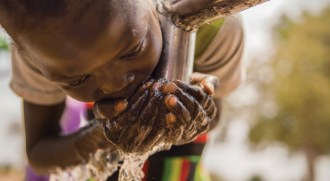
More than 2 billion people lack safe drinking water. That number will only grow.
By 2050, half the world’s population may no longer have safe water to drink or grow food. What then?
- Oceans
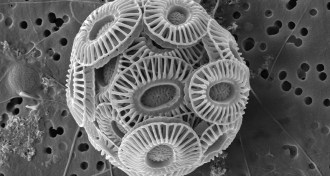
Viruses may help phytoplankton make clouds — by tearing the algae apart
Sick phytoplankton shed their calcium carbonate plates more easily than their healthy counterparts, which could play a role in forming clouds.
- Earth
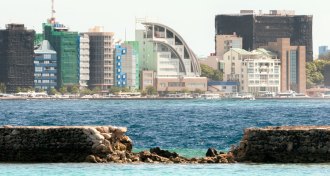
Why sea level rise varies from place to place
The impact of global sea level rise varies regionally, thanks to these factors.
- Climate
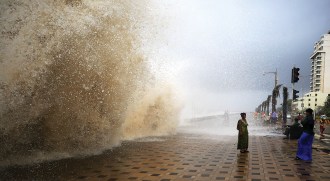
As waters rise, coastal megacities like Mumbai face catastrophe
For coastal megacities like Mumbai, rising seas and weather chaos linked with climate change threaten economic and social disaster.
- Paleontology
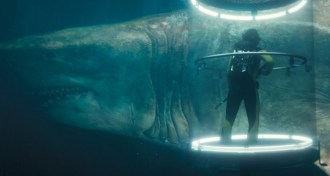
What ‘The Meg’ gets wrong — and right — about megalodon sharks
A paleobiologist helps Science News separate shark fact from fiction in the new Jason Statham film The Meg.
- Animals
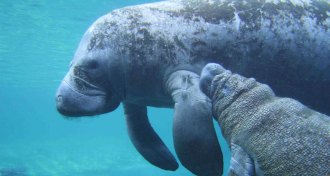
A ghost gene leaves ocean mammals vulnerable to some pesticides
Manatees, dolphins and other warm-blooded marine animals can't break down organophosphates due to genetic mutations that occurred long ago.
- Science & Society
The trouble with water, be it too much or too little
Editor in Chief Nancy Shute discusses the future of water and global issues associated with water scarcity and rising sea levels.
- Climate
Readers question dark fusion, Antarctic ice melting and more
Readers had questions about Antarctic ice melting, dark fusion and greenhouse gas emissions.
- Earth
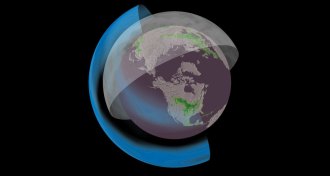
Global dimming may mitigate warming, but could hurt crop yields
Injecting a veil of tiny particles into the atmosphere might reduce global warming, but it could also lower crop yields.
- Earth
Rare blue diamonds are born deep in Earth’s mantle
Rare blue diamonds are among the deepest ever found, and hint at possible pathways for recycling of ocean crust in the mantle.
- Health & Medicine
Pediatricians warn against chemical additives in food for kids
Common food additives found in meats, plastic packaging or metal cans may contain chemicals that harm children’s health.
- Earth
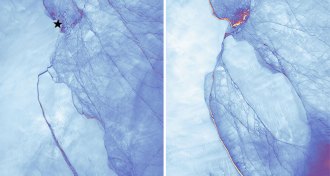
The giant iceberg that broke from Antarctica’s Larsen C ice shelf is stuck
A year ago, an iceberg calved off of the Larsen C ice shelf. The hunk of ice hasn’t moved much since, and that has scientists keeping an eye on it.