Earth
We summarize the week's scientific breakthroughs every Thursday.
- Environment
Recycled water may flood urban parks with dangerous germs
Irrigating city parks with recycled water may flood the soil with drug-resistant microbes.
- Earth
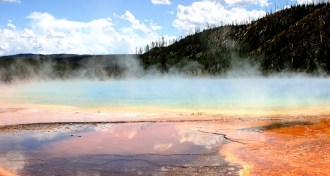
Merging magma can set off supervolcanoes in less than 10,000 years
The reconstruction of a massive eruption 4.5 million years ago near Yellowstone National Park suggests that magma chambers merging together beneath a supervolcano can trigger explosions in less than 10,000 years.
- Oceans
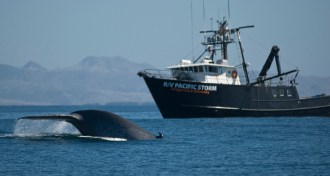
Whales and ships don’t mix well
A 15-year study of blue whales off California has found that major shipping lanes cut through feeding grounds.
- Earth
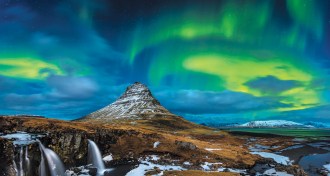
Wonders of the northern lights
An Icelandic aurora catches a photographer’s eye and a contest prize.
- Chemistry
Molecular cage traps rare gases
Organic compound could cull valuable xenon from the air and detect cancer-causing radon in homes.
- Environment
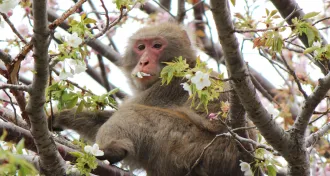
Wild monkeys near Fukushima have low blood cell counts
Primates near the ill-fated nuclear power plant may have been affected by radiation.
- Ecosystems
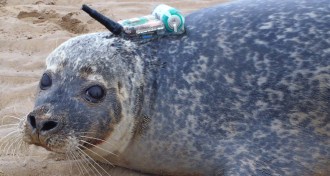
Offshore wind farms may be seal feeding grounds
Harbor seals were tracked visiting offshore wind farms, probably to find food, researchers say.
- Earth
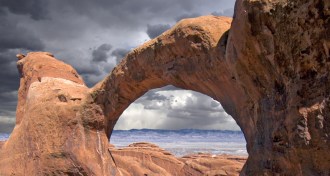
Sandstone structures form without cement
Lasting sandstone structures form when weighed-down sand locks into stable formations, researchers find in laboratory experiment.
- Health & Medicine
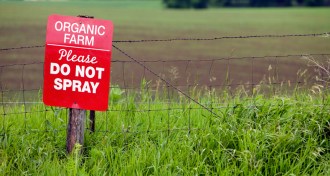
Organic foods may contain extra antioxidants
Contrary to previous studies, a new analysis finds that organic crops have nutritional benefits over conventionally grown foods.
- Climate
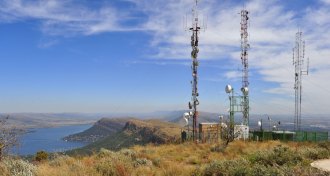
Cell phone towers monitor African rains
Scientists used cell phone towers to monitor African rains, a method that could track weather in regions without robust meteorological infrastructure.
- Earth
Bird’s-eye views of the globe highlight avian trouble spots
Recent maps reveal trouble spots for the world’s imperiled birds.
- Climate
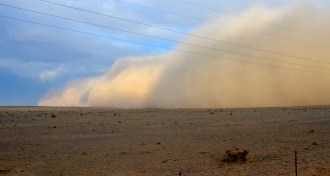
Windblown dust may muck up regional climate predictions
Climate simulations don’t accurately portray the behavior of windblown dust, which may result in inaccurate regional forecasts.