Earth
We summarize the week's scientific breakthroughs every Thursday.
- Materials Science
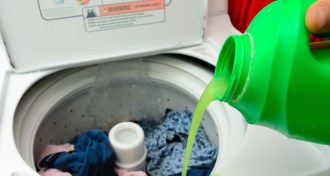
Suds turn silver nanoparticles in clothes into duds
Bleach-containing detergents destroy antibacterial silver nanoparticles that coat clothes.
- Climate
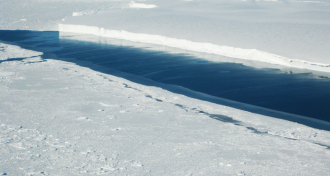
Antarctic ice shelves rapidly melting
Melting around Antarctica is accelerating, with several ice shelves projected to vanish entirely within 100 years.
- Chemistry
Air pollution molecules make key immune protein go haywire
Reactive molecules in air pollution derail immune responses in the lung and can trigger life-long asthma.
- Life
A vineyard’s soil influences the microbiome of a grapevine
Vineyard soil microbes end up on grapes, leaves and flowers, study finds.
- Environment
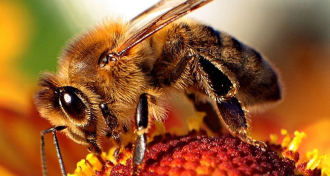
Manganese turns honeybees into bumbling foragers
Ingesting low doses of the heavy metal manganese disrupts honeybee foraging, a new experiment suggests.
- Climate
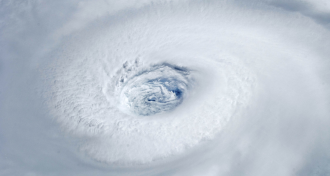
Rain slows whipping hurricane winds
Taking raindrop drag into account — which may slow hurricane winds by as much as 30 percent — could help improve hurricane forecasts.
- Climate
Winter storms 24 times as deadly as estimated
By ignoring car and plane crashes related to bad weather, U.S. tallies of winter storm deadliness severely underestimate hazard.
- Paleontology
Rise of East African Plateau dated by whale fossil
A whale fossil is helping to pinpoint when the East African Plateau started to rise and how the uplift played a role in human evolution, scientists say.
- Climate
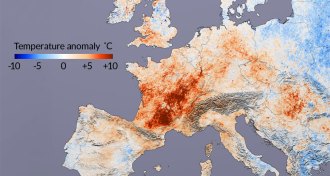
Arctic warming bolsters summer heat waves
Sagging storms brought on by rapid Arctic warming worsen summertime heat waves across the Northern Hemisphere.
- Agriculture
Cage free isn’t good enough for livestock, ‘The Modern Savage’ argues
Even on a small farm, life can be brutal for animals, historian and animal rights advocate says in new book.
- Environment
Replacement for toxic chemical in plastics, receipts may be just as toxic
Mounting evidence suggests that BPS, a common chemical in plastics, may cause the same health effects as BPA.
- Earth
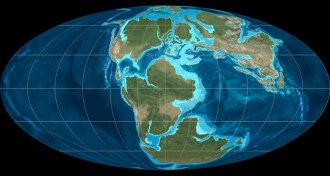
Tethys Ocean implicated in Pangaea breakup
The shrinking of the Tethys Ocean may have broken up the Pangaea supercontinent.