Climate
- Climate
Cloudy forecast
Over decades climatologists have grown more confident in their projections of the future impact of greenhouse gas emissions. But whether shifts in cloudiness will amplify global warming continues to vex researchers.
- Climate
Extreme heat on the rise
Recent years saw an increase in peak high temperatures on land despite Earth’s stalled averages.
- Climate
Sharks could serve as ocean watchdogs
Tagged with sensors, toothy fish gather weather and climate data in remote Pacific waters.
- Ecosystems
Arctic melting may help parasites infect new hosts
Grey seals and beluga whales encounter killer microbes as ranges change.
- Climate
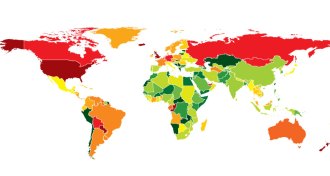
Biggest climate warmers
The United States, China, Russia, Brazil, India, Germany and the United Kingdom are responsible for more than 60 percent of the 0.74 degree Celsius rise in global average temperature observed from 1906 to 2005.
- Climate
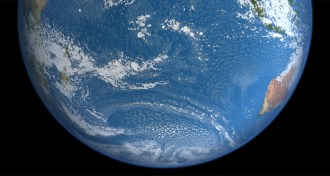
Strong winds may have waylaid global warming
Gusts over the Pacific Ocean may have stashed heat underwater since 2001.
- Climate
Weather patterns over Southern Hemisphere have a regular pulse
Variations in energy and rainfall over the Southern Hemisphere follow a pattern that repeats every 20 to 30 days.
- Ecosystems
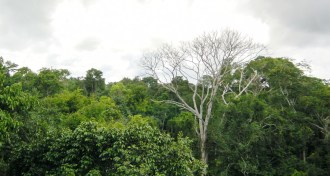
Amazon doesn’t actually go green in dry seasons
An optical illusion in satellite data made forests appear to grow faster.
- Earth
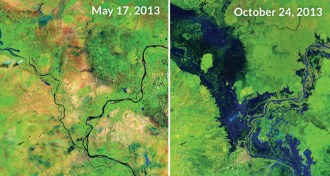
Eye in the sky
With its free Images of Change iPad app and online gallery, NASA makes the aerial perspective available to all, with results both stunning and disturbing.
- Climate
Grape expectations
Global warming has delivered long, warm growing seasons and blockbuster vintages to the world’s great wine regions. But by mid-century, excessive heat will push premium wine-making into new territory.
- Climate
2013 among top 10 warmest years on record
Global temperatures have now been above average for 37 consecutive years.
- Climate
Mangroves move up Florida’s coast
Satellite images reveal that the tropical trees are expanding north up Florida’s Atlantic coast, taking advantage of rising winter temperatures.