Climate
- Climate
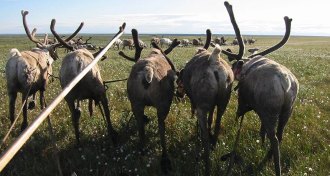
Skimpy sea ice linked to reindeer starvation on land
Unseasonably scant sea ice may feed rain storms inland that lead to ice catastrophes that kill Yamal reindeer and threaten herders’ way of life.
- Climate
There’s something cool about Arctic bird poop
Ammonia from seabird poop helps brighten clouds in the Arctic, slightly cooling the region’s climate.
- Climate
CO2 emissions stay steady for third consecutive year
Global emissions of carbon dioxide from human activities will probably see almost no increase in 2016 despite economic growth.
- Climate
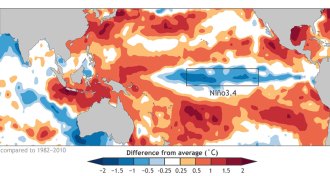
Say hola to La Niña
La Niña, El Niño’s meteorological sister, has officially taken over and could alter weather patterns throughout the world this winter.
- Climate
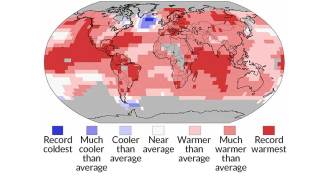
If you thought 2015 was hot, just wait
The record-setting global temperatures seen in 2015 could be the “new normal” as soon as the 2020s.
- Climate
CO2-loving plants can counter human emissions
Plants temporarily halted the acceleration of rising carbon dioxide levels in the atmosphere, new research suggests.
- Climate
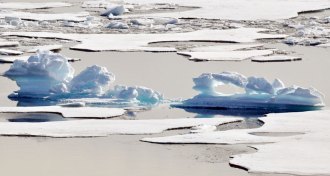
Human CO2 emissions put Arctic on track to be ice-free by 2050
Sea ice is shrinking by about three square meters for each metric ton of carbon dioxide emitted, new research suggests.
- Climate
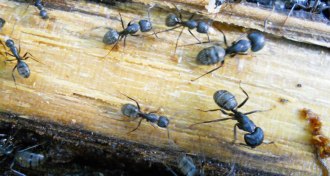
Climate change shifts how long ants hang on to coveted real estate
Simulated climate warming reveals a new pattern in turnover of ant nests.
- Climate
Wanted: New ways to chill air conditioners, fridges
A new amendment to the Montreal Protocol will phase out potent greenhouse gases currently used in air conditioners and refrigerators, prompting a hunt for eco-friendly alternatives.
-
- Climate
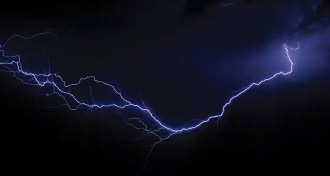
Extreme lightning events set records
A lightning flash stretching 321 kilometers across and one that lasted 7.74 seconds have been named the most extreme events on record, thanks to a new rule change.
- Earth
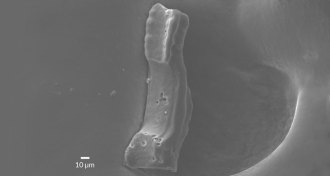
Glass bits, charcoal hint at 56-million-year-old space rock impact
Glassy debris and the burnt remains of wildfires suggest that a large space rock hit Earth near the start of the Paleocene-Eocene Thermal Maximum warming event around 56 million years ago.