Anthropology
- Anthropology
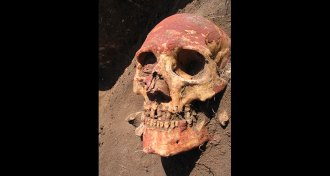
Kennewick Man’s DNA links him to present-day Native Americans
Genetic analysis of Kennewick Man suggests that the ancient Pacific Northwest man was most closely related to modern Native Americans, not Polynesians.
- Anthropology
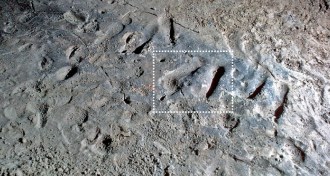
Modern-day trackers reinterpret Stone Age cave footprints
African trackers help researchers interpret ancient human footprints in French caves.
- Anthropology
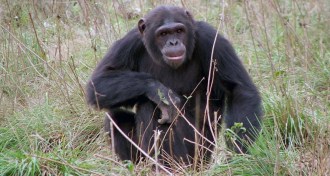
Human laugh lines traced back to ape ancestors
Chimps make laughing faces that speak to evolution of human ha-ha’s.
- Archaeology
Bronze Age humans racked up travel miles
A new study indicates long journeys and unexpected genetic links in Bronze Age Eurasian cultures.
-
- Anthropology
Chimps prefer roasted potatoes, hinting at origins of cooking
Chimps really dig roasted potatoes, suggesting cooking arose millions of years ago.
- Anthropology
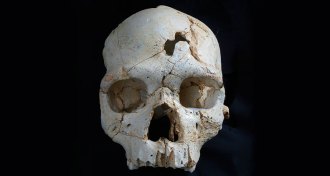
Double blow to skull is earliest evidence of murder, a 430,000-year-old whodunit
A 430,000-year-old hominid skull shows signs of murder, making it the earliest suspected homicide.
- Humans
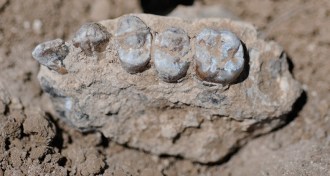
Fossils suggest another hominid species lived near Lucy
Fossil jaws dating to over 3 million years ago may add a new species to the ancient hominid mix.
- Archaeology
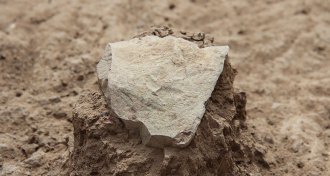
Earliest known stone tools unearthed in Kenya
East African discoveries suggest stone-tool making started at least 3.3 million years ago.
- Anthropology
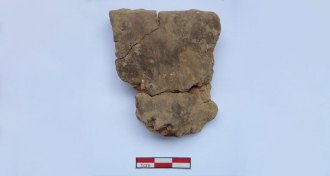
Pots from hunter-gatherer site in China tell tale of lifestyle shift
Chinese foragers settled down and made pottery shortly before farming’s ascent.
- Anthropology
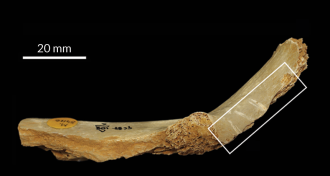
Ritual cannibalism occurred in England 14,700 years ago
Human bones show signs of ritual cannibalism in England 14,700 years ago.
- Genetics
Mummies tell tuberculosis tales from the crypt
Hungarian mummies contracted multiple strains of tuberculosis at the same time, researchers find.