News
- Genetics
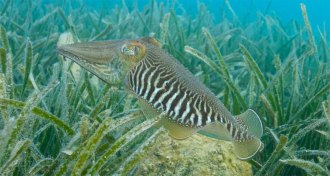
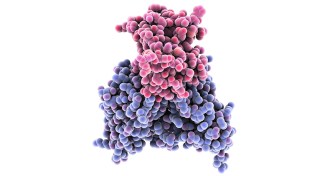
Cephalopods may have traded evolution gains for extra smarts
Editing RNA may give cephalopods smarts, but there’s a trade-off.
- Astronomy
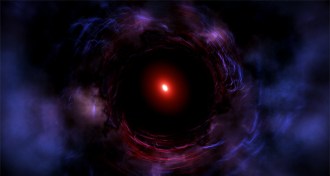
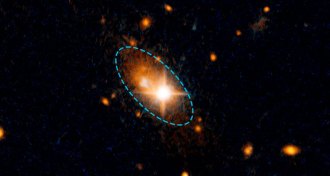
Massive red, dead galaxy spotted in young universe
A hefty red, dead galaxy may raise questions about how galaxies formed in the early universe.
- Psychology
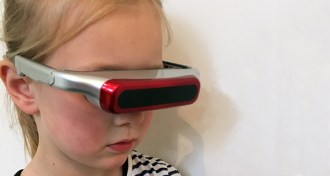
Out-of-body experiments show kids’ budding sense of self
Sensing that “my body is me” starts early and develops over many years.
- Animals
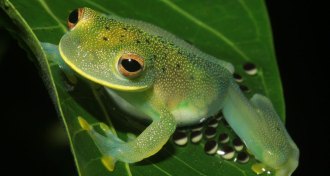
For glass frogs, moms matter after all
Brief but important maternal care may have evolved before the elaborate egg-tending of glass frog dads.
- Health & Medicine
Getting dengue first may make Zika infection much worse
Experiments in cells and mice suggest that a previous exposure to dengue or West Nile can make a Zika virus infection worse.
- Animals
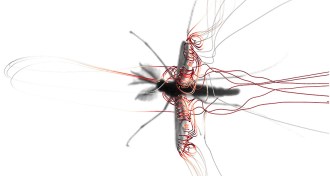
Mosquito flight is unlike that of any other insect
High-speed video and modeling reveal a more complex understanding of mosquito flight.
- Genetics
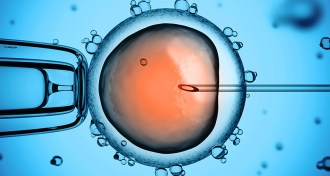
Gene editing of human embryos yields early results
Gene editing in embryos has started in labs, but isn’t ready for the clinic.
- Astronomy
Supermassive black hole gets kicked to the galactic curb
Gravitational waves may have given a supermassive black hole a big kick, with enough energy to send it flying toward the edges of its host galaxy.
- Quantum Physics
Millions of atoms entangled in record-breaking quantum tests
Scientists make advance in the quest to take quantum effects to larger scales.
- Archaeology
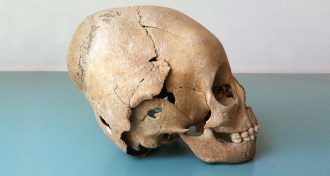
Ancient Romans may have been cozier with Huns than they let on
Nomadic Huns and Roman farmers shared ways of life on the Roman Empire’s fifth century frontier.
- Earth
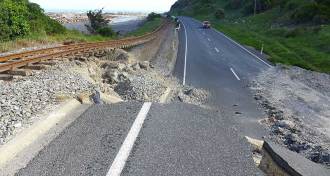
Deadly New Zealand quake hopscotched across faults
The Nov. 14, 2016, earthquake in New Zealand was much larger than thought possible at the time, prompting a rethink of hazard assessments.
- Health & Medicine
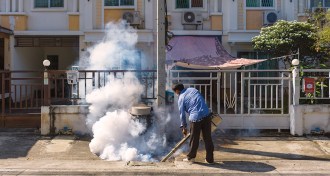
Dengue fever spreads in a neighborly way
Individual strains of dengue spread locally, and new infections cluster near the home of the first person affected.