All Stories
- Health & Medicine
A tooth-enamel protein is found in eyes with a common form of macular degeneration
Researchers linked a tooth-enamel protein with calcium deposits in eyes suffering ‘dry’ AMD, which could lead to treatments for the vision disorder.
- Space
Astronomers have found the edge of the Milky Way at last
Computer simulations and observations of nearby galaxies let astrophysicists put a firm number on the Milky Way's size.
-
-
When coronavirus is both work and worry
Our editor in chief Nancy Shute discusses what it's like to cover the current coronavirus pandemic.
- Health & Medicine
Why some heart patients may be especially vulnerable to COVID-19
Researchers don’t yet know if the way the coronavirus enters cells may have something to do with the risks to the heart.
- Archaeology
The Nazareth Inscription’s origins may refute ties to Jesus’ resurrection
Chemical analysis shows the tablet’s marble came from a Greek island, challenging the idea the decree concerned early Christianity in the Middle East.
- Life
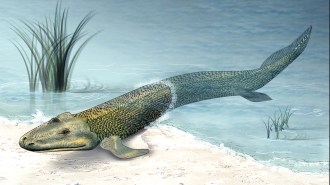
A new book captures how genetics fills in the story of life’s evolution
In Some Assembly Required, paleontologist Neil Shubin explores how genetic analyses complement paleontological research.
- Health & Medicine
Young adults can face severe cases of COVID-19, too
While risk of having a severe case of COVID-19 rises with age, younger adults are also landing in the hospital and ICU, new U.S. statistics show.
- Health & Medicine
HIV drugs didn’t work as a coronavirus treatment in a clinical trial
Antiviral HIV drugs “showed no benefit” when given to patients severely ill with COVID-19.
- Health & Medicine
How parents and kids can stay safe and sane during the coronavirus pandemic
Infectious disease experts weigh in on playdates, playgrounds and other parenting questions.
- Health & Medicine
50 years ago, scientists were trying to get a grip on Lassa fever
In 1970, scientists were on the trail of a deadly new virus. Fifty years later, a vaccine is just now being tested in people.
- Environment
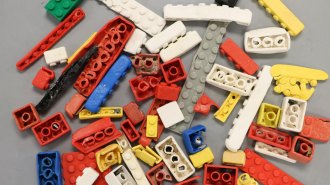
Legos may take hundreds of years to break down in the ocean
Sturdy types of plastic may persist in seawater for much long than scientists previously thought.